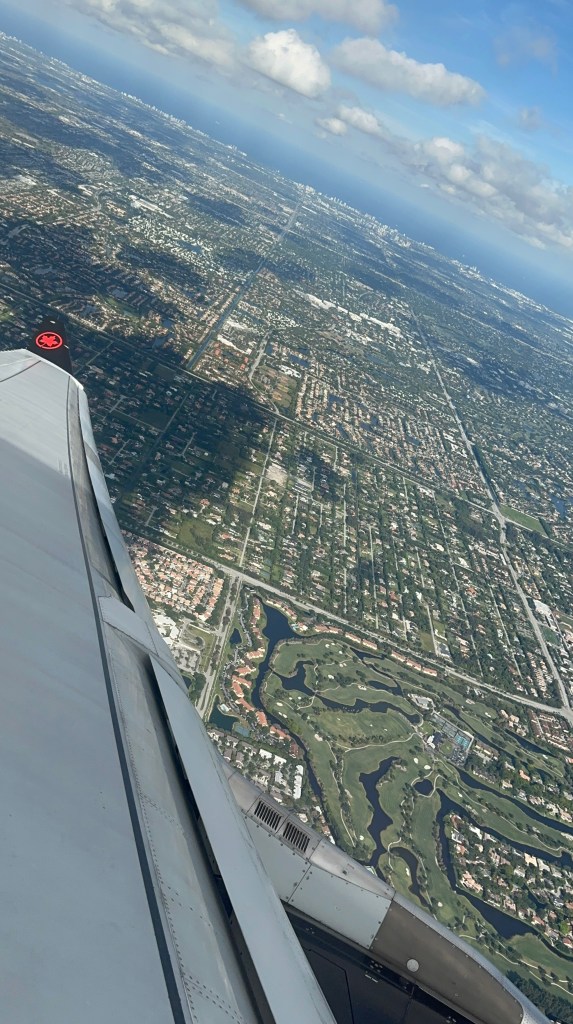
In just a few days, I’ll be heading out of Canada. Instead of the usual excitement before a trip, there’s something else weighing on me that is stressing me out. I’m in an active flare-up again. My body feels like it’s in constant protest, and just getting through the daily routine has been a struggle. Adding travel to the mix? Let’s just say it’s been an emotional ride.
I know I’m not the only one who faces these challenges, so I wanted to share the reality of traveling with chronic pain. Here’s how I’m preparing and the strategies I’ll lean on to get through it – not perfectly, but hopefully with some moments of peace along the way.
The Anxiety and Stress of Traveling with a Flare-Up
I’ll be honest: the anxiety started weeks ago. The thought of navigating airports, sitting on long flights, and staying in an unfamiliar place has made my pain feel heavier, somehow. As someone with chronic pain, I know how unpredictable each day can be – sometimes, even just getting through a few hours can feel monumental. So now, with this trip looming, I’m wrestling with constant questions: Will I make it through without too much pain? What if I can’t rest when I need to? Will the trip end up worsening my flare?
These feelings are a huge part of traveling with chronic pain that often goes unseen. Behind every plan, there’s the unspoken worry about how my body will handle it. And I’ve realized that’s okay; it’s okay to acknowledge the hard parts as well as the excitement. I want to share that with my readers because it’s a big part of life with chronic pain – acknowledging the fear and pushing through with as much grace as possible.
My Go-To Tips for Traveling During a Flare-Up
Since my flare-up shows no signs of easing, I’m taking a few extra steps this time to make the journey manageable. Here are the tips I’m leaning on:
- Give Yourself Permission to Rest
I’m planning to build in time to rest as much as possible. If that means spending a little more time in bed, skipping out on some activities, or finding quiet corners to sit and stretch, so be it. I’m working to let go of any guilt about not doing it all, knowing that the priority is simply taking care of myself so I can enjoy the best parts of the trip. - Pack a Comfort Kit
This time, I’m loading my carry-on with items that give me a sense of control and comfort – my travel pillow, a heating pad, distractions (Computer etc) and all my medications. These small comforts will be my lifeline when the pain kicks in. I’ve also reached out ahead of time to make sure there will be accommodations I can access easily, like close seating and extra pillows. - Stay Hydrated and Nourished
I’ve learned the hard way that traveling can disrupt my body’s usual routine, which only makes the pain worse. Dehydration and hunger are major triggers for me, so I’ll be keeping snacks and water close by, especially since airports and airplanes aren’t exactly known for having quick options. - Be Open About What You Need
I’ve been reminding myself that it’s okay to let others know I may need extra time or a break. In the past, I used to avoid saying anything, but I’ve realized that pushing myself only leads to a bigger crash later. Communicating that I need to go at my own pace has become an important part of managing the pain. - Practice Flexibility and Self-Compassion
Travel can be unpredictable, and I’m reminding myself that it’s okay if things don’t go as planned. If my pain flares, I’ll adjust my plans and take it one moment at a time. Learning to be flexible has been one of the biggest lessons from living with chronic pain, and it’s something I’ll lean on during this trip.
Embracing This Journey as a Testament to Resilience
Traveling during a flare-up isn’t easy. It’s a challenge to face the world when my body feels like it’s resisting every step, but each trip I take, even when it’s hard, is a reminder of my resilience. I may not have perfect pain-free days or flawless travel experiences, but I’m still going, still pushing through – and that, in itself, is worth celebrating.
For everyone who’s going through something similar, know you’re not alone. Taking this trip is a way of saying that, yes, chronic pain is part of my life, but it won’t keep me from living. Here’s to moving forward, one step at a time, and embracing the journey – flares, fears, and all.
I wanted to provide some essentials those with Chronic Pain would need in order to travel. Of course everyone is different but these are some of the items I have on my list.
1. Portable Comfort Kit
- Heating Pad or Hot/Cold Packs: Look for portable, rechargeable heating pads, or single-use hot/cold packs. They’re lifesavers for soothing sore muscles or stiffness after sitting for long periods.
- Travel Pillow: An ergonomic neck pillow or lumbar support pillow can help prevent pain from uncomfortable seats, whether on a plane, bus, or car.
- Compression Socks: For those who experience swelling or circulation issues, compression socks can help keep your legs comfortable on long flights or car rides.
- Lightweight Blanket or Shawl: This can provide extra warmth in chilly airports or on planes and double as extra cushioning.
2. Medication and Pain Relief
- Medication Organizer: Use a pill organizer to keep track of daily medications and ensure you have enough for the entire trip (plus a few extra days, just in case).
- Prescriptions and Over-the-Counter Meds: Don’t forget to bring any prescription medications along with some over-the-counter pain relief options that work for you.
- Topical Pain Relief Cream or Balm: Compact and easy to pack, pain relief balms can be a lifesaver for joint or muscle aches when applied directly to the skin.
3. On-the-Go Hydration and Nutrition
- Reusable Water Bottle: Staying hydrated is crucial for managing pain. A collapsible water bottle can be convenient for refilling throughout the day.
- Healthy Snacks: Pack a few non-perishable, healthy snacks that you know won’t irritate your symptoms (think nuts, dried fruit, or granola bars).
- Electrolyte Tablets or Drink Mixes: Long flights and busy days can be dehydrating; electrolyte supplements can help prevent dehydration.
4. Comfortable and Supportive Clothing
- Loose, Layered Clothing: Opt for clothes that allow you to move comfortably and adjust to different temperatures.
- Supportive Footwear: Shoes with good arch support and cushioning are essential, especially if you’ll be on your feet for sightseeing.
- Compression Gloves or Brace: If your pain affects your hands or joints, compression gloves or braces can provide support during activities.
5. Sleep Essentials
- Eye Mask and Earplugs: Quality sleep can be a game-changer for pain management, and these small items can help block out distractions if you’re sensitive to noise or light.
- Portable Sound Machine or Relaxing Playlist: A small sound machine or relaxing music playlist can help you fall asleep in an unfamiliar place and mask disruptive noises.
6. Mobility and Accessibility Aids
- Foldable Cane or Walking Stick: If standing or walking is painful, a foldable cane or walking stick can provide stability and support when you need it.
- Portable Seat Cushion: For those who have trouble sitting for long periods, a travel-sized cushion can add extra comfort.
- Medical ID and Contact Information: If your pain is associated with a condition that could require emergency care, keep a medical ID on hand and have emergency contacts easily accessible.
7. Mindfulness and Stress Relief Tools
- Mindfulness or Meditation App: Apps like Headspace or Calm can help manage anxiety and stress that often comes with travel.
- Journal and Pen: Jotting down thoughts, symptoms, or things you’re grateful for can provide mental relief and a sense of grounding during travel.
- Essential Oils or Roll-On Relaxation Blends: Lavender, peppermint, and eucalyptus oils can help ease tension and relieve headaches. Just be mindful if you’re traveling with others who may be sensitive to scents.
I will keep you posted how the trip goes once I am back but even if I am stressed do to this extra long flare-up I am having. I am still excited for this journey and to see how it goes.
 Deidre Matthews