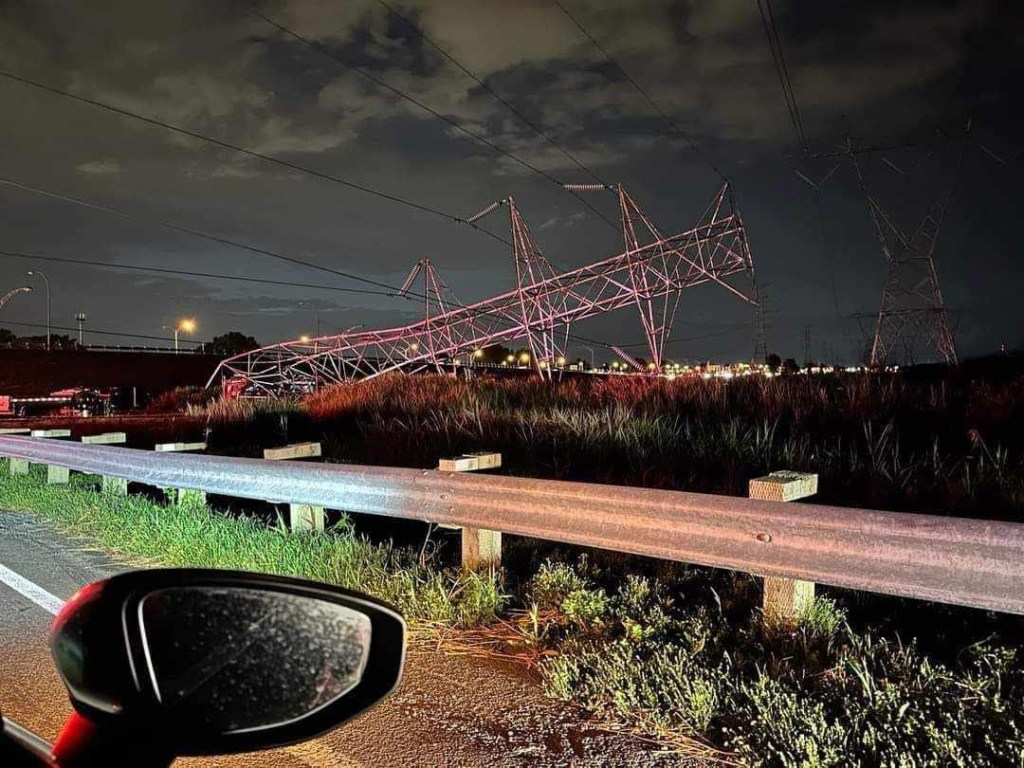
On the South Shore of Montreal, there is a huge power outage due to a bus crashing and knocking over one of the towers that hold the power lines. Almost 100k people around me have no power. Fortunately, I was lucky because I have power, but two streets away, there is no power, covering about five different cities.
It is 30 degrees outside and extremely humid. It is the middle of a heatwave, and these people are going to be over 24 hours with no power and counting.
Anyways, I have a lot of medical conditions, living with chronic pain and a chronic illness. This got me thinking, if it were to have happened to me, what would I have done? Maybe my thoughts can help someone out in the future as well.
For this scenario, I am going to post what I would do in summer and in winter temperatures.
Medical Kit: Make sure you have a very good medical kit. Include medication, pain medication, band-aids, creams, ointments, etc. I have a good one that I will cover in a later post, but I do need to update it since I have used it several times for emergencies. I usually fill it up when I go to Ontario because it is easier to fill some supplies from the dollar store. They are good enough supplies to use, and they don’t cost a fortune.
Non-Perishable Food: I have some foods that are non-perishable. Here are some examples:
Canned Goods:
- Canned vegetables (corn, peas, green beans)
- Canned fruits (peaches, pears, pineapple)
- Canned meats (tuna, chicken, salmon)
- Canned soups and stews
- Canned beans (black beans, chickpeas, kidney beans)
Dried Goods:
- Pasta and noodles
- Rice
- Lentils
- Dried beans
- Instant potatoes
- Quinoa
- Oats and oatmeal
Packaged Snacks:
- Crackers
- Granola bars
- Pretzels
- Popcorn
- Nuts and seeds
- Dried fruit
- Beef jerky
Baking Supplies:
- Flour
- Sugar (white, brown, powdered)
- Baking powder and baking soda
- Cocoa powder
- Cornstarch
Condiments and Spices:
- Salt and pepper
- Cooking oils (vegetable oil, olive oil)
- Vinegar (white, apple cider)
- Soy sauce
- Ketchup and mustard
- Honey and syrup
- Spices and herbs (oregano, basil, paprika)
Drinks:
- Bottled water
- Coffee and tea
- Powdered drink mixes (like lemonade or instant iced tea)
Ready-to-Eat Foods:
- Peanut butter and other nut butters
- Jam and jelly
- Breakfast cereals
- Shelf-stable milk (evaporated milk, powdered milk)
- Energy bars
These items have long shelf lives and do not require refrigeration, making them ideal for emergency supplies or long-term storage.
For me, water bottles are essential. I have two 24-packs in my room and three of the four-liter ones under the sink. They are switched out regularly because I have a hard time drinking tap water.
Medical Information: I always think this is important even if you go out anywhere or do anything. Have a list of your medical conditions printed out with the symptoms you normally get, a list of medications you take, and a list of your main doctor(s) information and how to reach them. If anything happens, you’ll be able to get treated better and faster.
To be honest, I don’t have this, but I have been starting to make one. I will show you guys in a future post once it is done in case someone needs ideas to take from me.
Lighting: Flashlights, headlamps, or battery-powered lanterns. I would avoid using candles or anything dangerous, but that is because I did all the training to be a dispatcher. You don’t want any hazards because when there is a massive outage, there are a lot of accidents, and the First Response might be delayed.
We spoke already about hydration and nutrition, and I want to touch back a little on that. I would say always make sure you have enough for three days per person in the house.
Temperature Control: In summer, taking some cold showers if it gets too hot is ideal. Having some wet cloths all over your body and taking off as many clothes as possible can help. Sometimes, depending on the day, going outside is ideal as well. If you or someone you know can let you use the swimming pool, it can also be a great way to cool down.
In winter, you need to warm up. So putting extra layers on is going to help, along with blankets and hot showers and baths. Some people still have a way to warm up tea or coffee, so that would help, but not everyone has that way, so just dressing warmly will help. Keeping your feet warm is essential because if they are cold, the rest of your body will be cold as well.
If you use a respiratory device, mobility aid, communication aid, or medical alert system, make sure you have batteries for it that are charged.
During the outage, resort to personal care:
- Reading
- Writing
- Crafts
- Games/puzzles
- Exercise
- Sleep
Here is a list I found for both summer and winter to go a bit further in depth.
During Summer
Staying Cool:
- Hydration: Drink plenty of water to stay hydrated. Avoid caffeinated or alcoholic beverages as they can dehydrate you.
- Cool Baths and Showers: Take cool baths or showers to lower your body temperature.
- Wet Cloths: Use damp cloths or cooling towels on your neck, wrists, and forehead.
- Battery-Powered Fans: Use battery-powered fans to circulate air. If you have a generator, use it to power larger fans or air conditioning units.
- Shade: Stay in the coolest part of your home and close curtains or blinds to block out the sun. Spend time in shaded outdoor areas if possible.
- Cool Places: Visit community cooling centers, libraries, or shopping malls if they have power and are open.
Activities:
- Reading: Enjoy books, magazines, or e-readers with ample battery life.
- Board Games and Puzzles: Play board games, card games, or solve puzzles.
- Crafts: Engage in light crafts like drawing, knitting, or other hobbies that don’t require power.
- Exercise: Do light exercises or stretches to stay active without overexerting yourself in the heat.
During Winter
Staying Warm:
- Layering: Wear multiple layers of clothing, including hats, gloves, and socks to retain body heat.
- Blankets: Use extra blankets and sleeping bags. Create a small, insulated space with blankets or tents inside your home.
- Close Off Rooms: Stay in a single room to conserve heat and close off unused areas to avoid losing warmth.
- Fireplaces and Stoves: Use fireplaces or wood-burning stoves if available and safe to do so. Ensure proper ventilation to avoid carbon monoxide poisoning.
- Battery-Powered Heaters: Use battery-powered heaters or hand warmers. If using a generator, prioritize heating devices.
- Hot Drinks and Food: Drink warm beverages and eat hot meals to help maintain body temperature.
Activities:
- Reading and Writing: Read books, write in journals, or compose letters.
- Indoor Games: Play board games, card games, or engage in indoor sports like table tennis or indoor bowling.
- Crafts and Hobbies: Work on crafts, knitting, sewing, or any hobby that doesn’t require power.
- Exercise: Do indoor exercises like yoga, stretching, or bodyweight workouts to stay active and generate heat.
After the outage is done, remember to restock everything and replenish everything. For those who suffer from chronic pain, make sure to take it easy for a few days after so you do not flare up.
Here is what I would have in my emergency bag:
- Food for 3 days
- Water bottles (I always have 12-24 at a time in my room)
- Medication/pain relief
- Blood pressure monitor
- Glucose kit
- Snacks
- Extra portable chargers already charged
- I have an emergency to-go bag and some extra money in case it becomes too much and I need to book a nearby hotel.
- Always keep a minimum of 1/2 a tank of gas in the car.
- Medical Files
Tell me, have you ever been stuck in a long power outage?

